
-
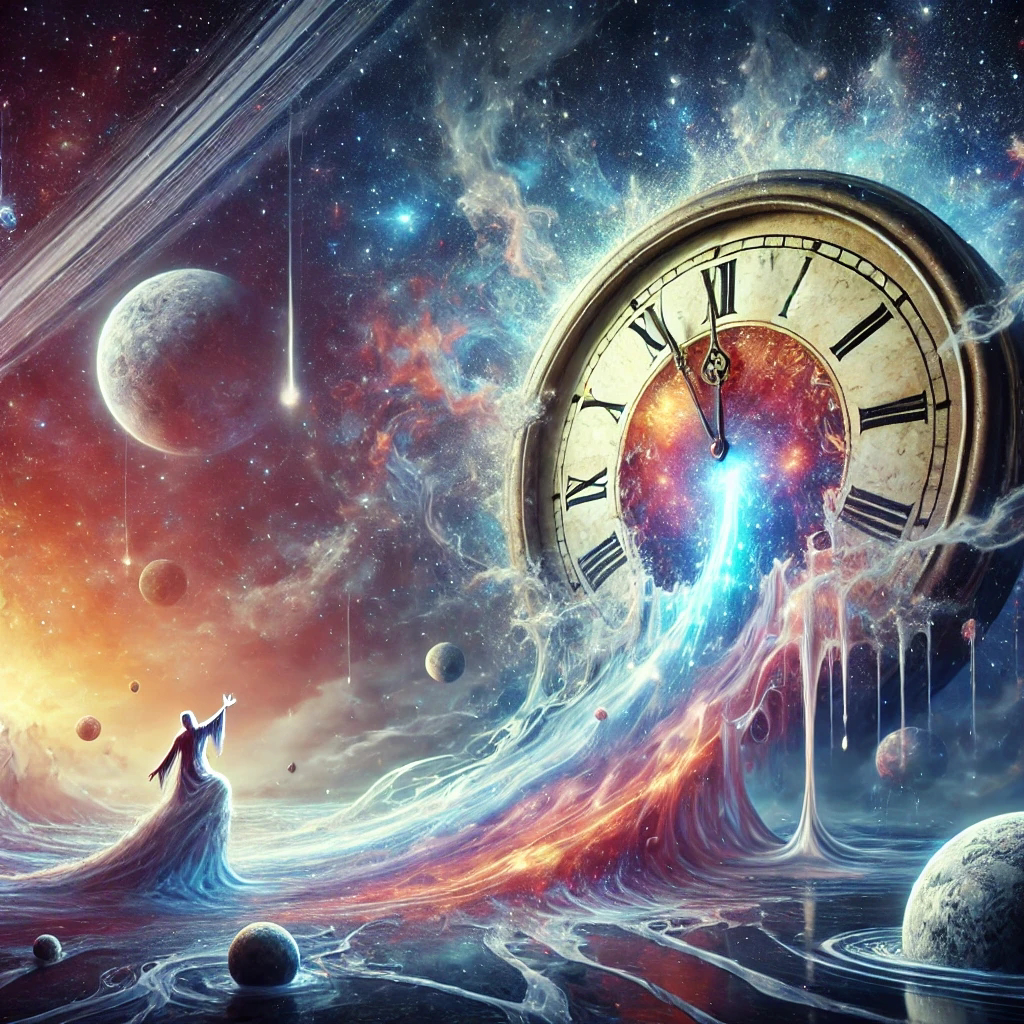
Time is an Illusion: Why It Doesn’t Exist on Its Own
We take time for granted. It’s there on our clocks, in our calendars, ticking forward with a relentless certainty. But what if time isn’t a thing on its own? What if it’s just the way we measure movement through space?
-
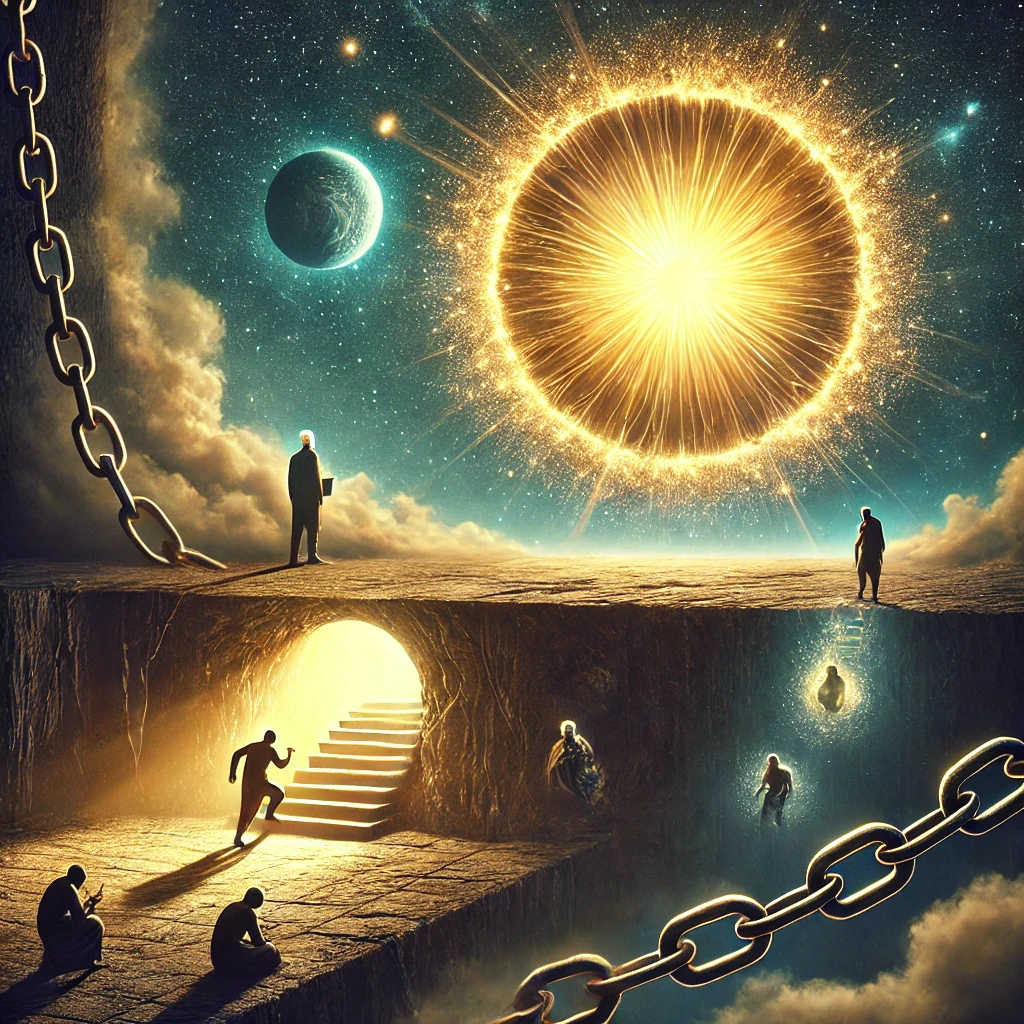
The Form of the Good: Plato’s Ultimate Reality
Hi there, dreamers and deep thinkers. Today, we’re diving into one of the most profound ideas in Western philosophy—Plato’s Form of the Good. If you’ve ever wondered about the nature of truth, morality, or ultimate reality, this concept is at the heart of it all. Buckle up, because we’re going straight to the core of…
-
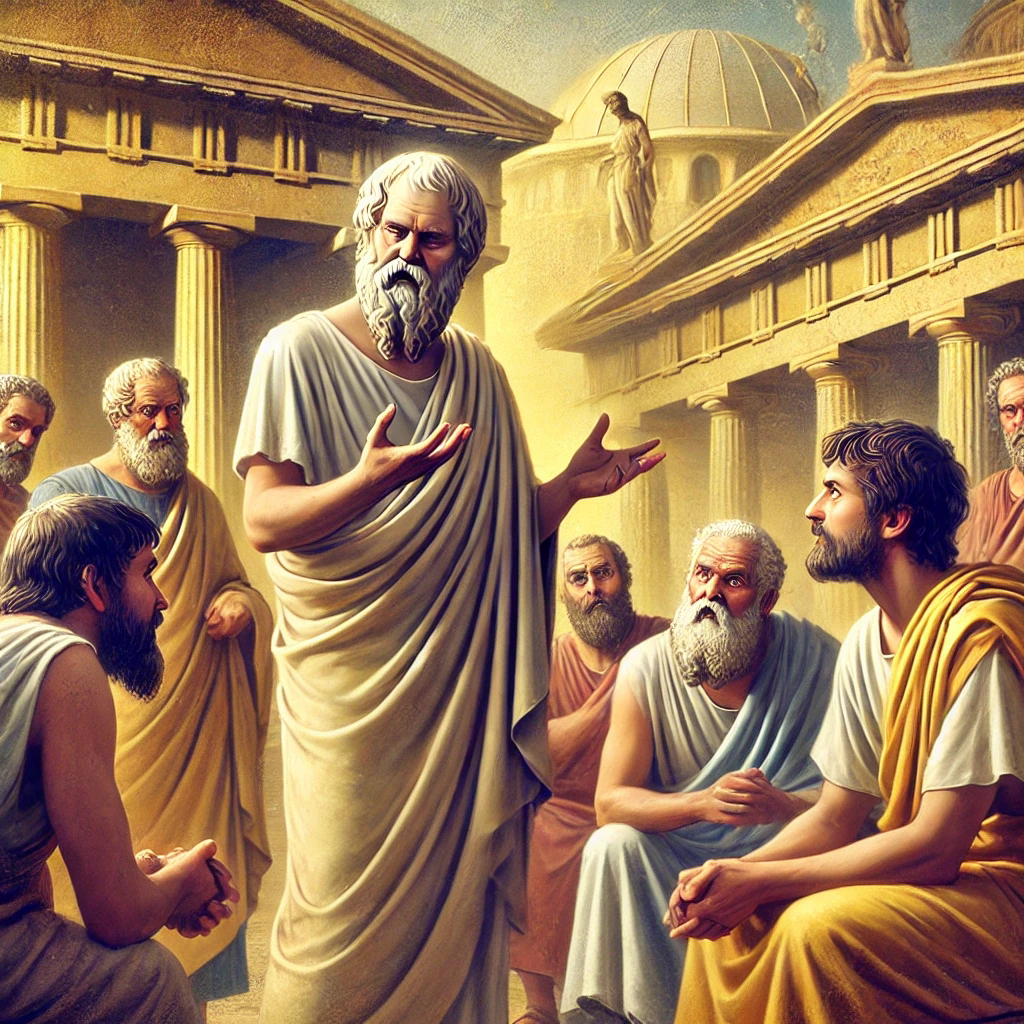
Who Was Socrates? The Man Who Changed the Way We Think
Socrates was a philosopher who lived in ancient Athens during the 5th century BCE. He didn’t write down any of his teachings, yet his ideas shaped Western philosophy. His influence comes through his students, mainly Plato, who recorded his dialogues. Despite his impact, Socrates remains an enigma—both revered and misunderstood.
-

Molecular Theory: A Deep Dive into the Building Blocks of Matter
Molecules are the foundation of everything we see, touch, and experience. They are the smallest units of a compound that retain its chemical properties. Understanding molecular theory helps explain the behavior of matter, from the air we breathe to the materials we use. Let’s break it down—no fluff, just solid science.
-
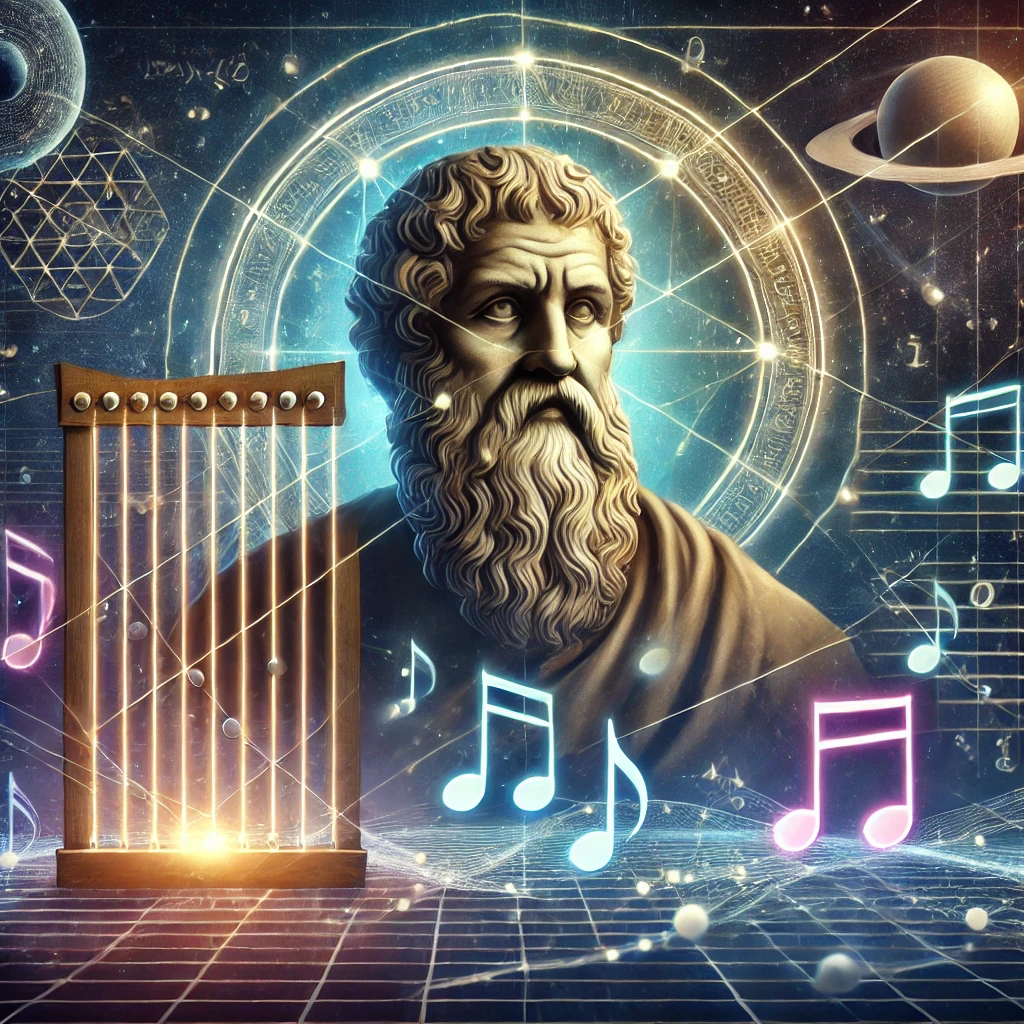
Pythagorean Thought in Music Theory: The Mathematics of Harmony
Pythagoras is a name that most people associate with triangles. But if you step outside the high school geometry classroom and into the world of music, you’ll find his influence is just as profound. His ideas on harmony, proportion, and the fundamental nature of sound continue to shape music theory today.
-
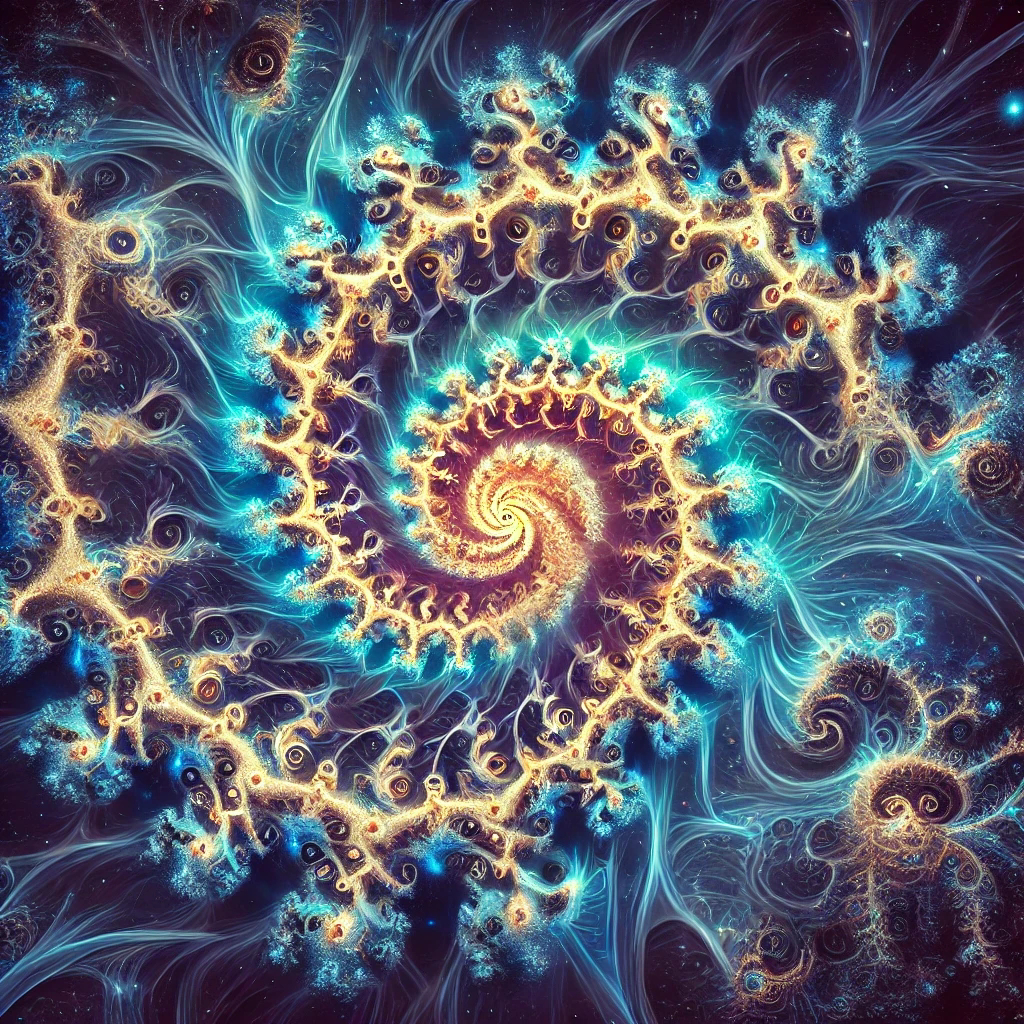
The History of Fractal Geometry: A Journey Through Infinite Complexity
Fractal geometry isn’t just a niche mathematical curiosity—it’s a revolution in how we understand patterns, chaos, and even the very fabric of reality. From the intricate spirals of galaxies to the branching of trees and veins in our bodies, fractals are everywhere. They reveal hidden orders in what once seemed like pure randomness.
-
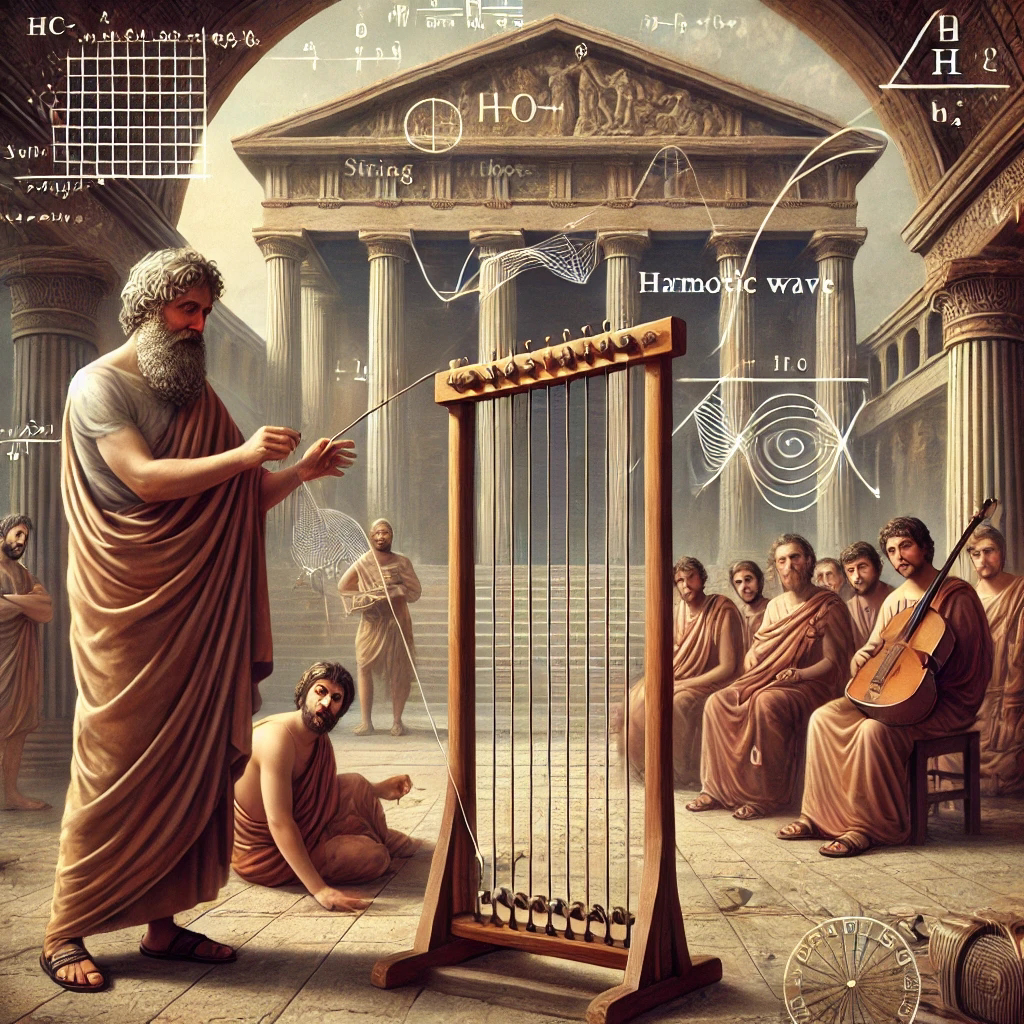
The Mathematical Ratios of String Lengths in Music: Pythagoras’ Harmonic Legacy
Pythagoras. You probably know him for that pesky triangle theorem from high school. But what if I told you that his real legacy isn’t geometry? It’s music. Yeah, the same guy who gave us the Pythagorean Theorem also unlocked the mathematical foundations of harmony. He didn’t just think about numbers abstractly—he listened to them. And…
-
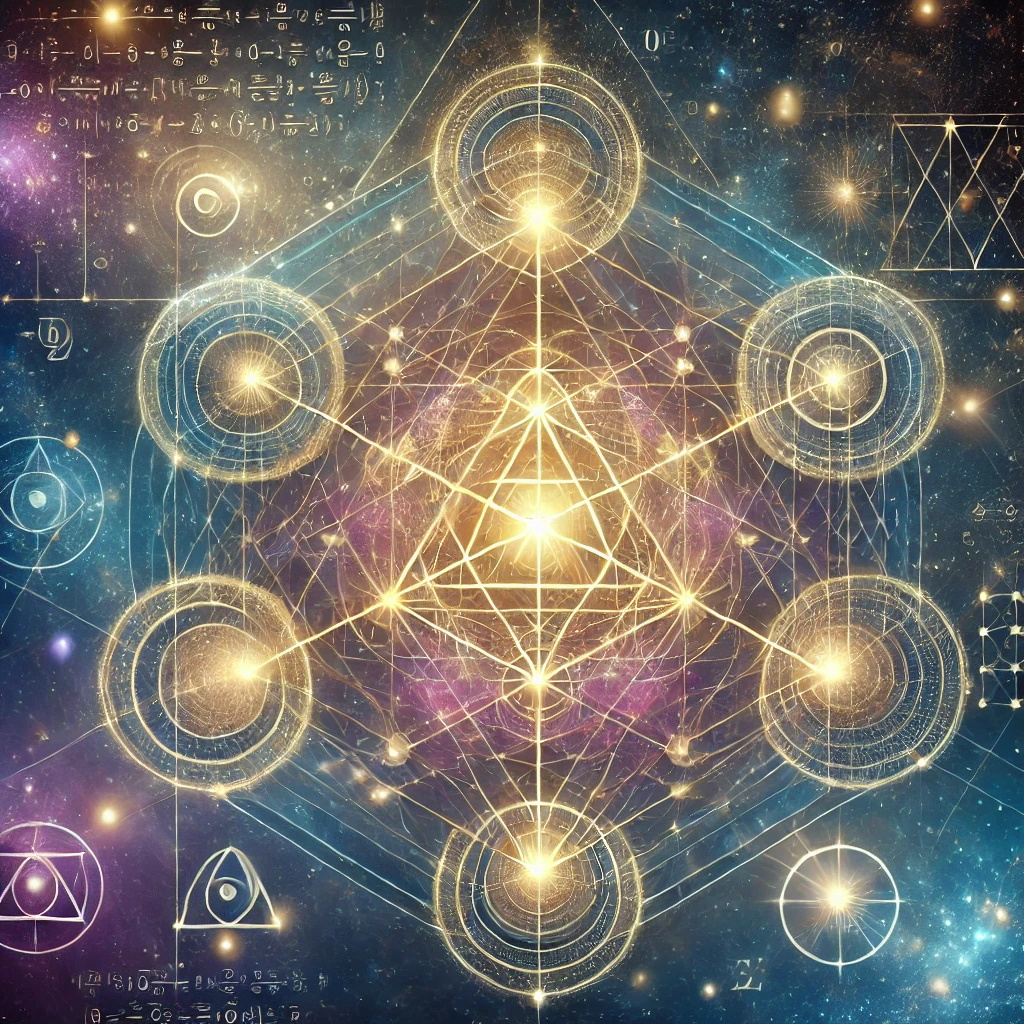
Pythagorean Thought in Sacred Geometry: A Deep Dive into the Mathematical Mysticism of Reality
Imagine a world where numbers aren’t just abstract symbols but the fundamental building blocks of the universe. To the Pythagoreans, this wasn’t just an idea—it was a reality. Sacred geometry, the philosophical and mathematical framework that underpins the very fabric of existence, owes much of its development to Pythagoras and his followers.
-
Pythagorean Thought in Quantum Physics: The Mathematical Fabric of Reality
Throughout history, certain ideas have echoed across time, surfacing in different disciplines under different names. One of the most persistent is the Pythagorean notion that numbers and mathematical structures underpin reality itself. It’s an ancient idea, but in the context of modern quantum physics, it takes on an eerie relevance.
-
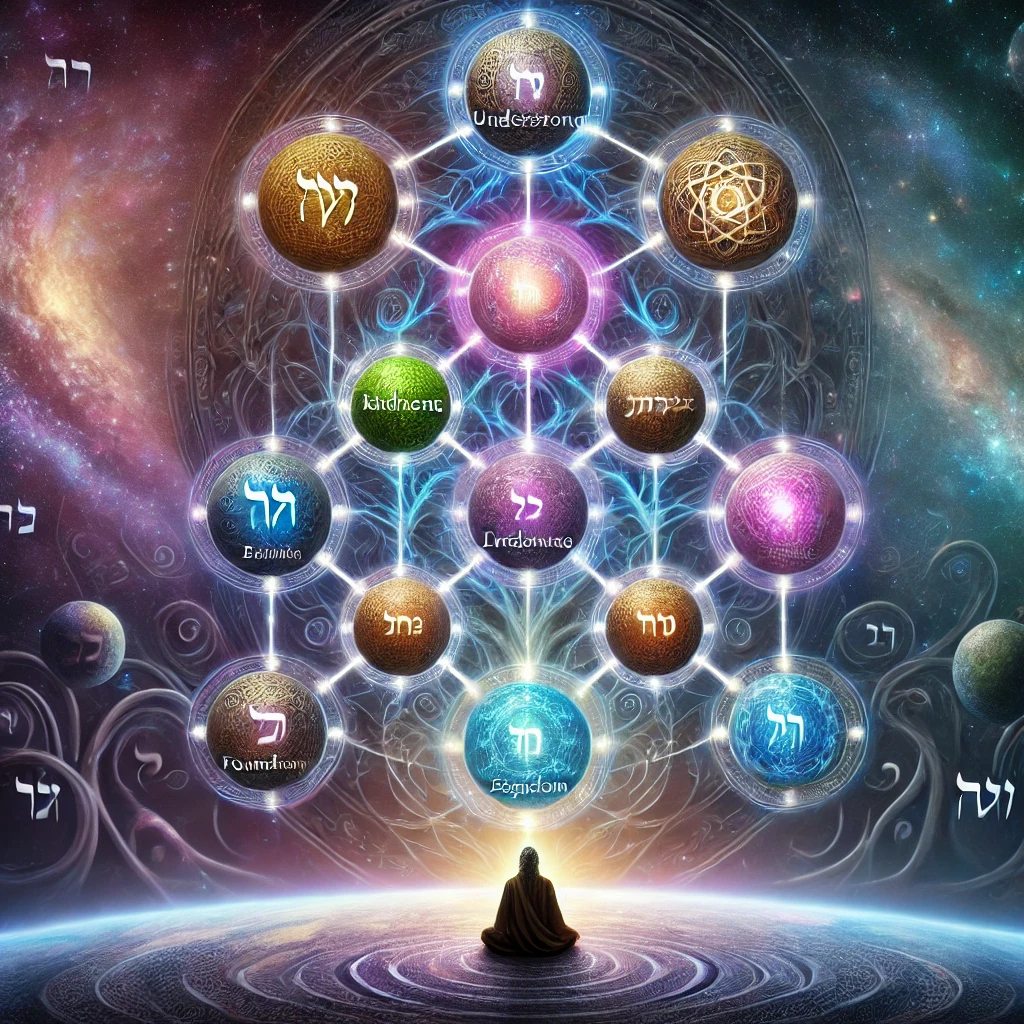
Kabbalah: Unlocking the Mystical Blueprint of Existence
Kabbalah is one of the most enigmatic and misunderstood spiritual traditions in human history. Often associated with Jewish mysticism, it goes far beyond esoteric symbols and cryptic teachings. It is, at its core, an intricate system of understanding the universe, the self, and the divine.